
Tino sehgal: Enter the situation
A Door Opens, A Distance Remains
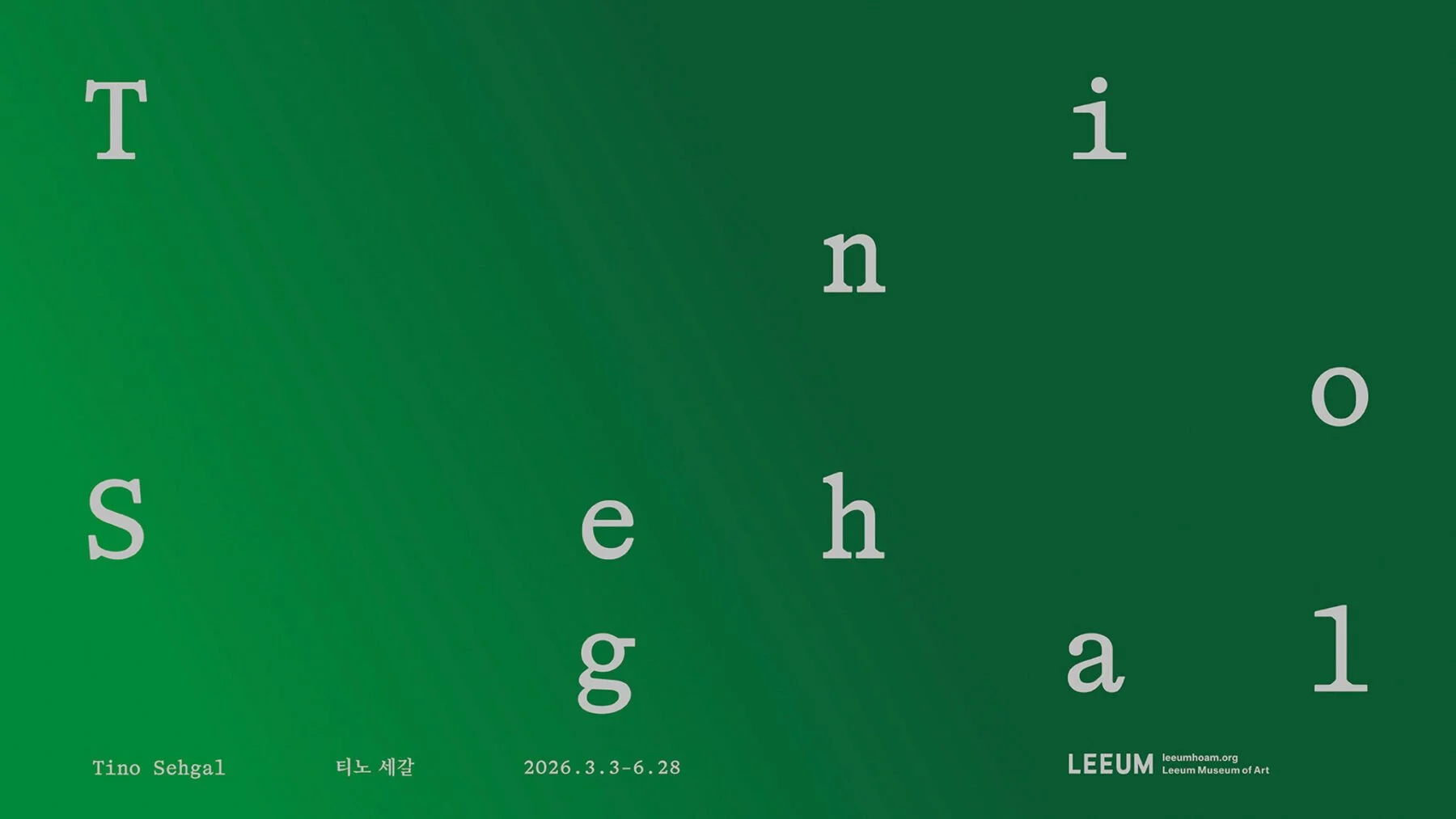
Courtesy of Leeum Museum of Art
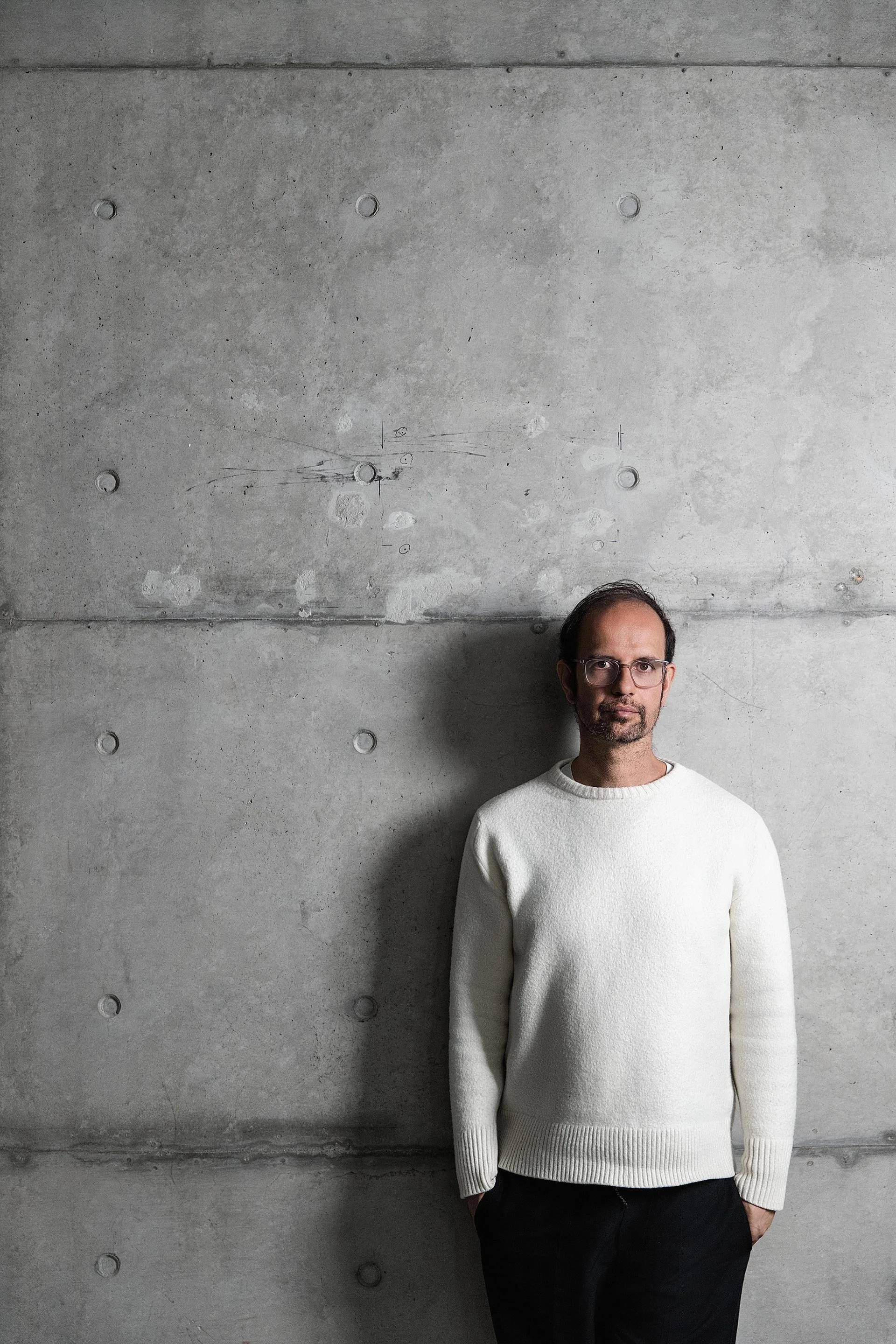
Tino Sehgal, Courtesy of Leeum Museum of Art
“The exhibition you can’t photograph.” “The exhibition introverts can’t handle.” Tino Sehgal’s solo show at Leeum has already been reduced to a set of highly shareable descriptions. But those phrases do not come close to explaining what the exhibition actually does. If anything, they flatten it into an easily circulated impression and obscure the sharper questions the work leaves behind.
Sehgal’s practice asks for a mode of attention that feels unusually rare now: memory over record, the body over the image. In a time when photographs and videos have become almost inseparable from the act of viewing, his work asks the audience to exercise a different kind of attention. Not to retain, but to let pass. Not to store, but to move through. Not to process first through a screen, but to register first through the body. In that sense, the exhibition is deeply contemporary while also resisting some of the most habitual conditions of contemporary spectatorship.
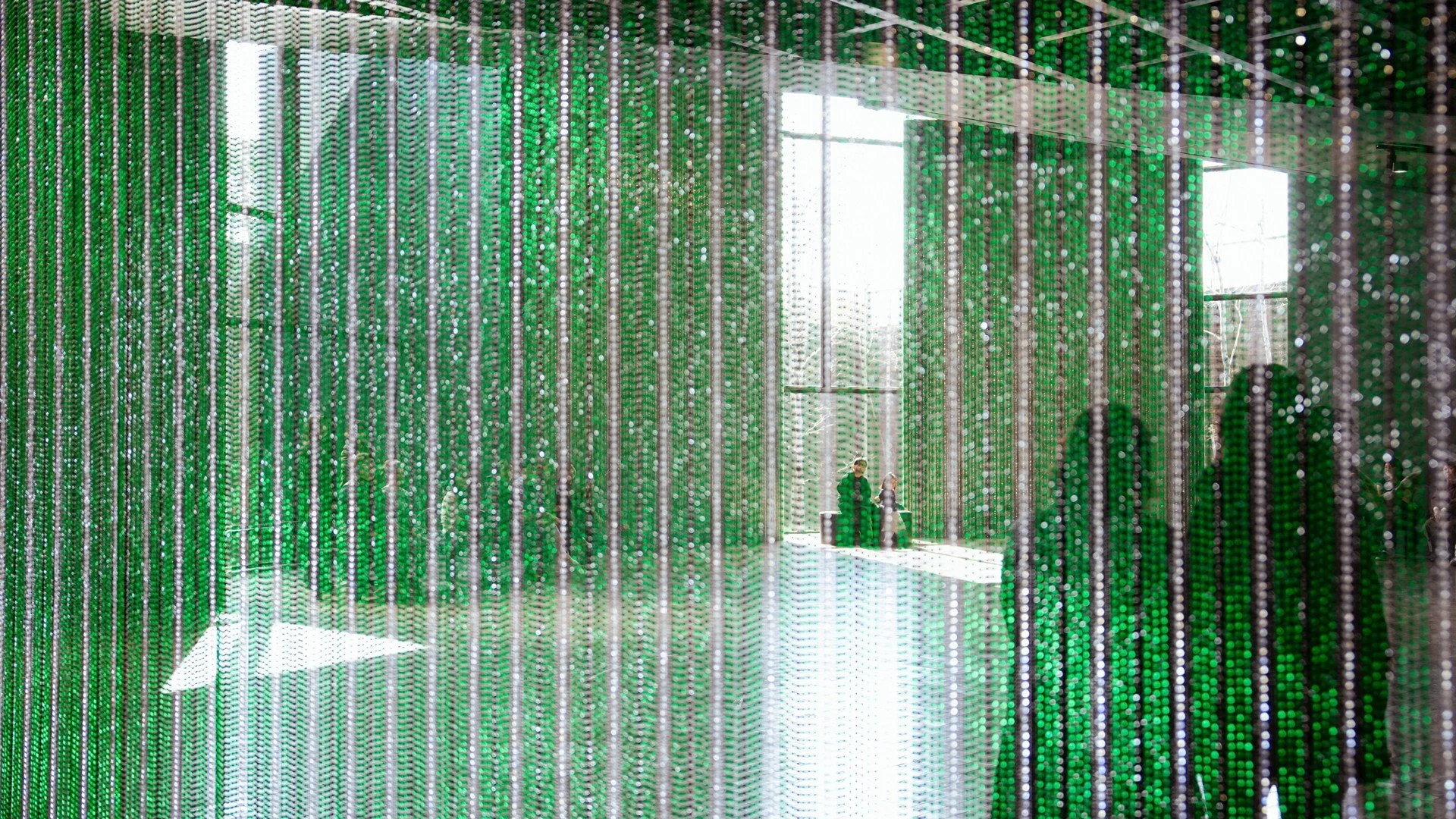
Exhibition view, Courtesy of Leeum Museum of Art
From the interpreters greeting visitors with “This is so contemporary” to Felix Gonzalez-Torres’s shimmering green bead curtain at the entrance, the exhibition clearly opens a door. It proposes the possibility of an experience that departs from conventional looking. One enters not simply to see something, but to be placed within a situation. The familiar museum sequence subtly shifts. The gallery is presented less as a site of display than as a site where relations might emerge.
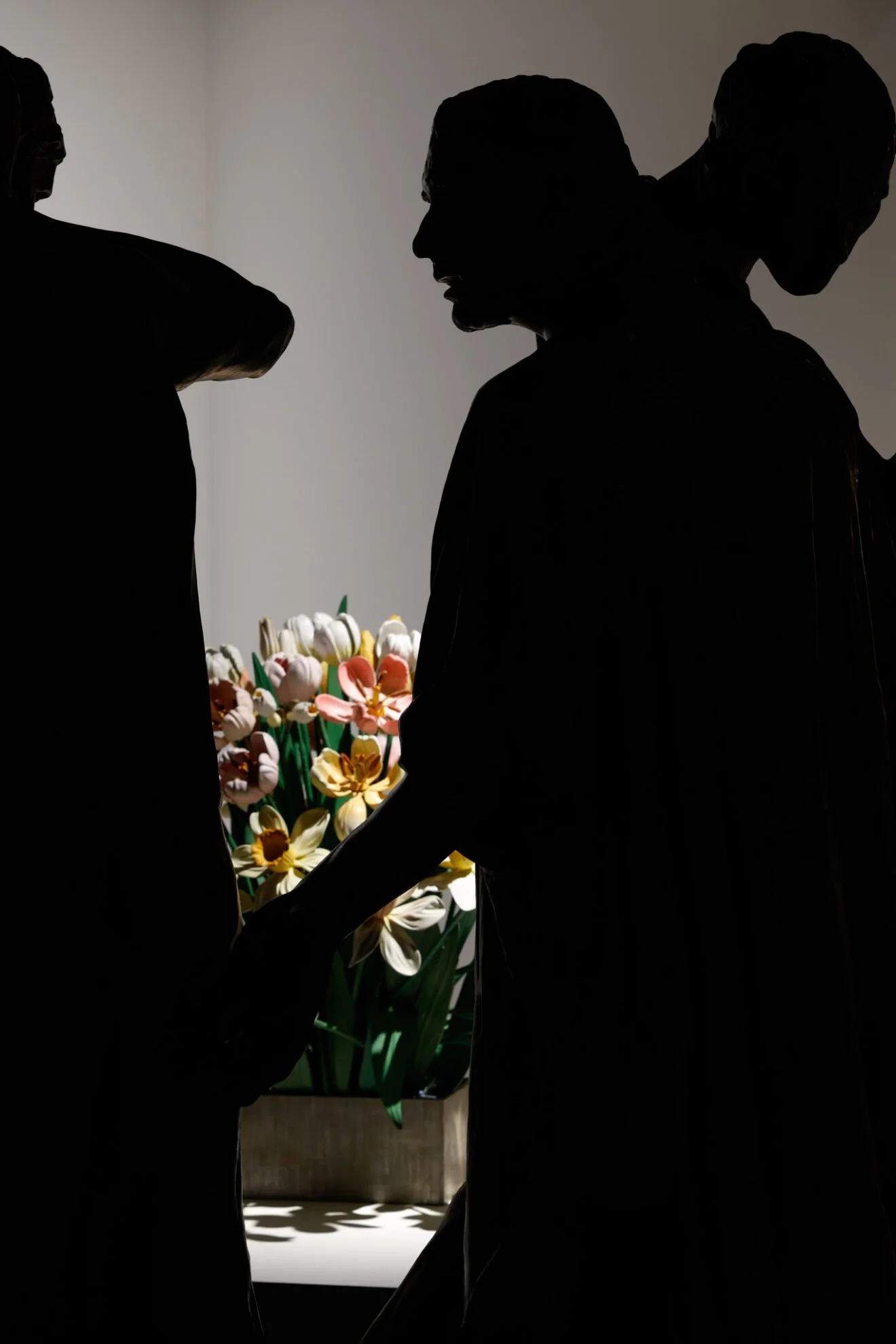
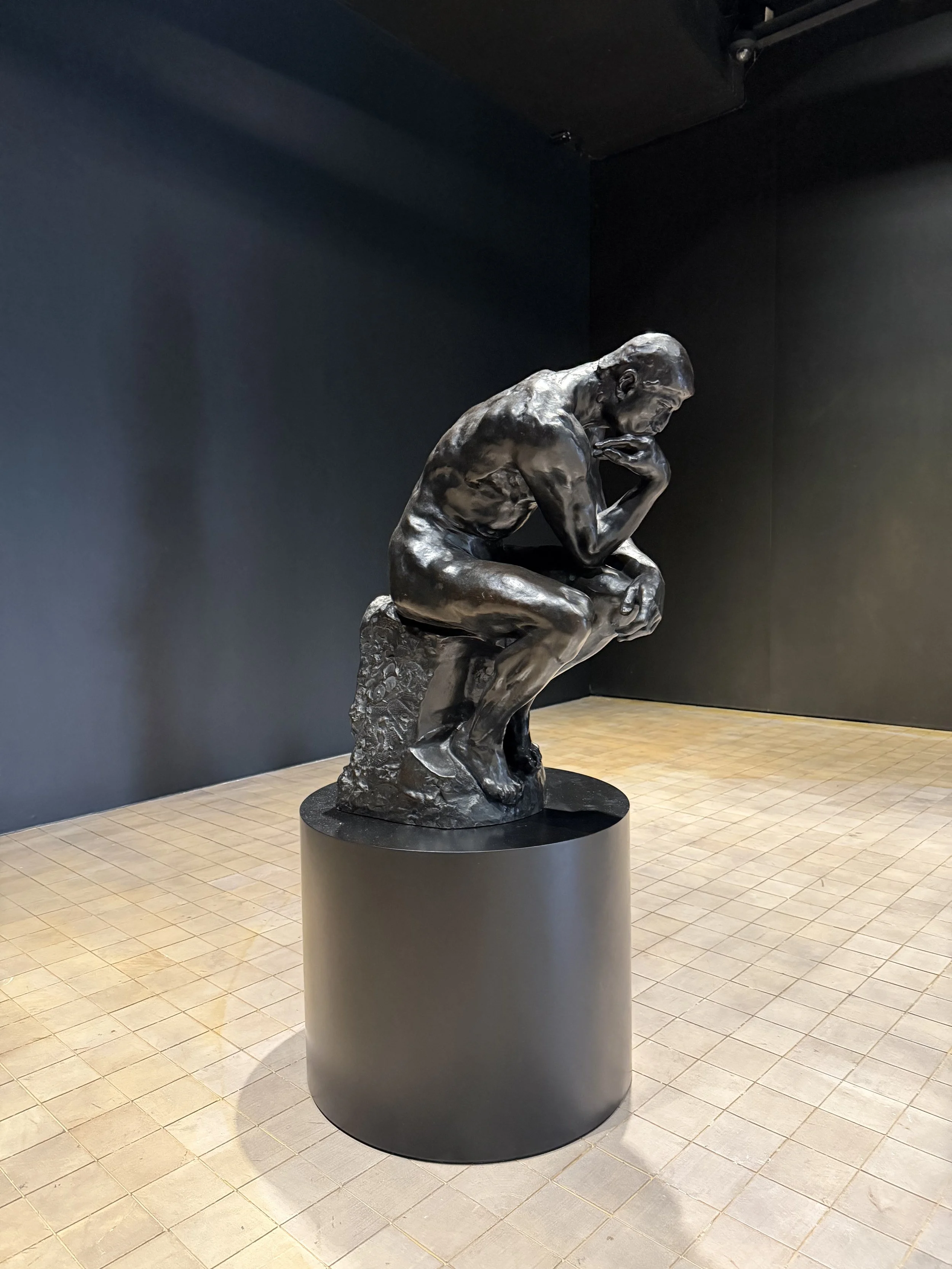
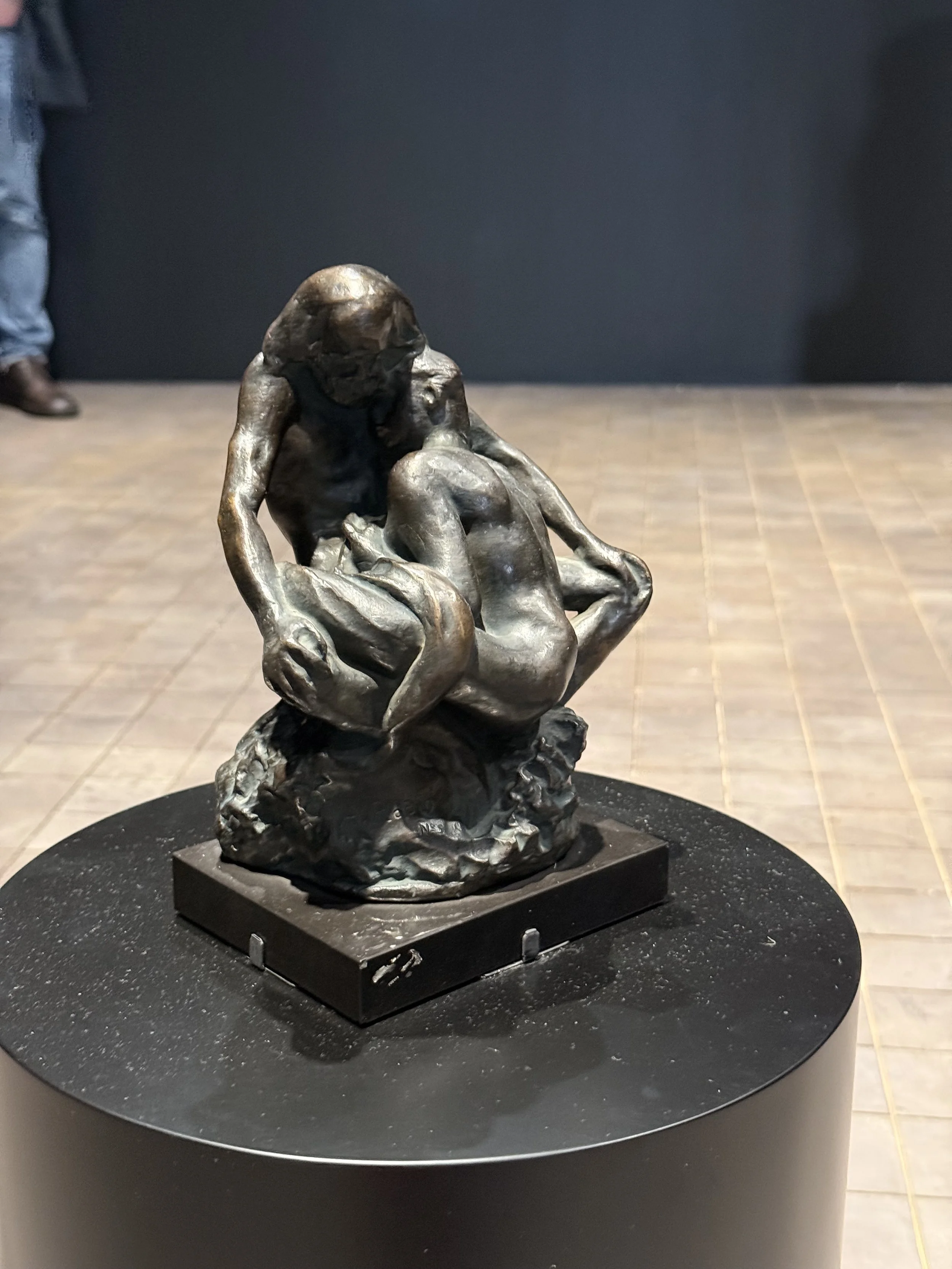
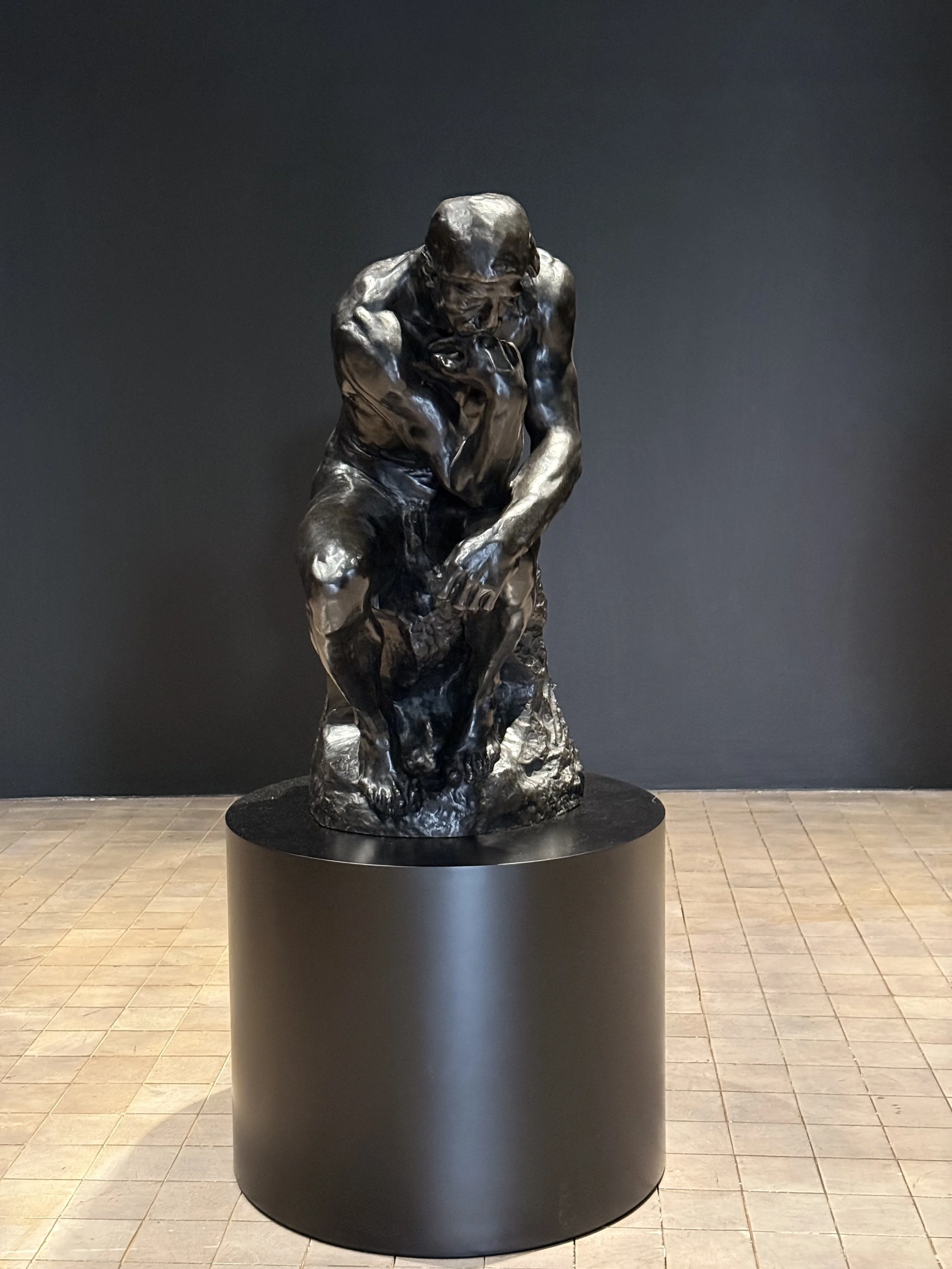
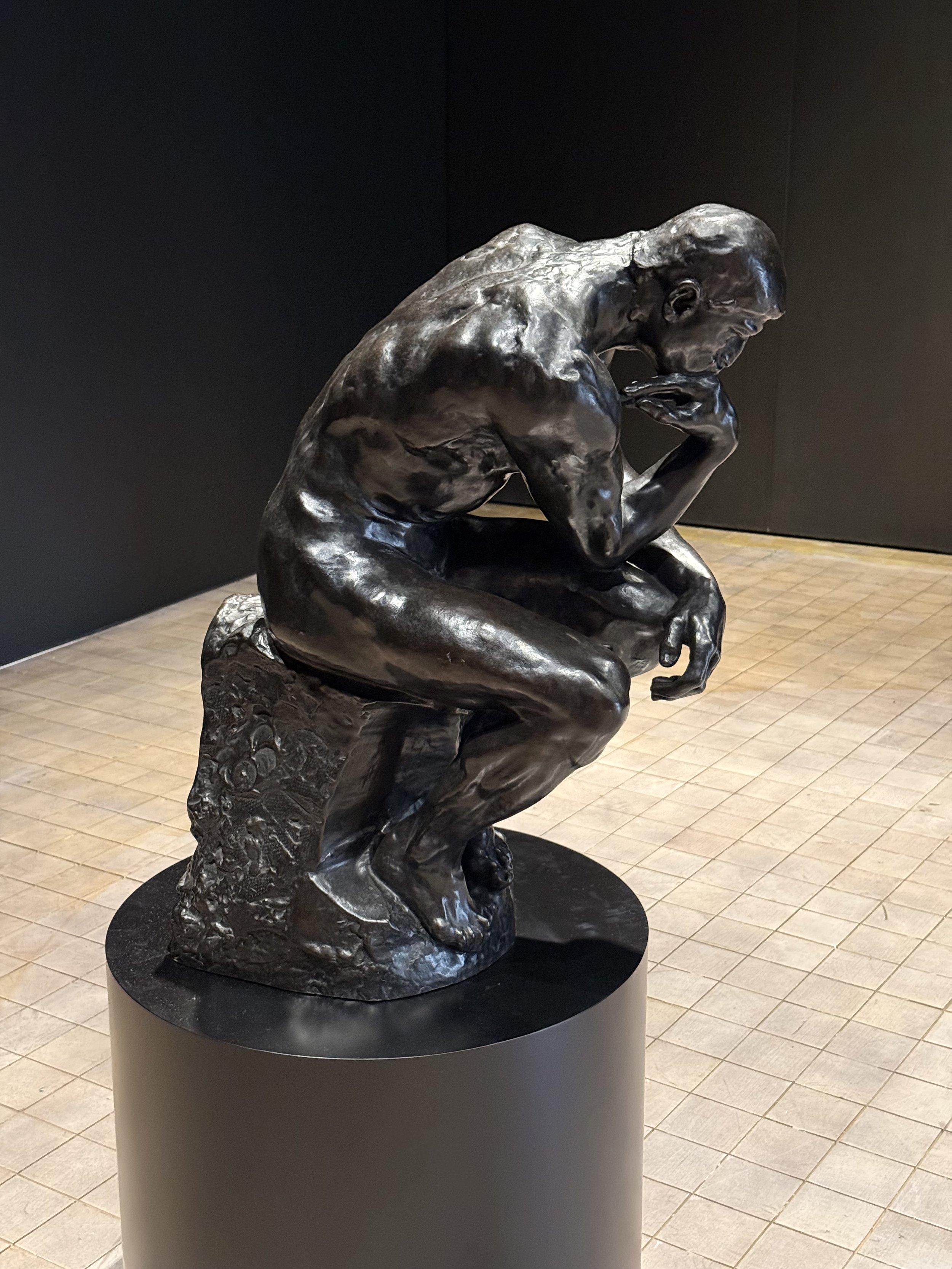
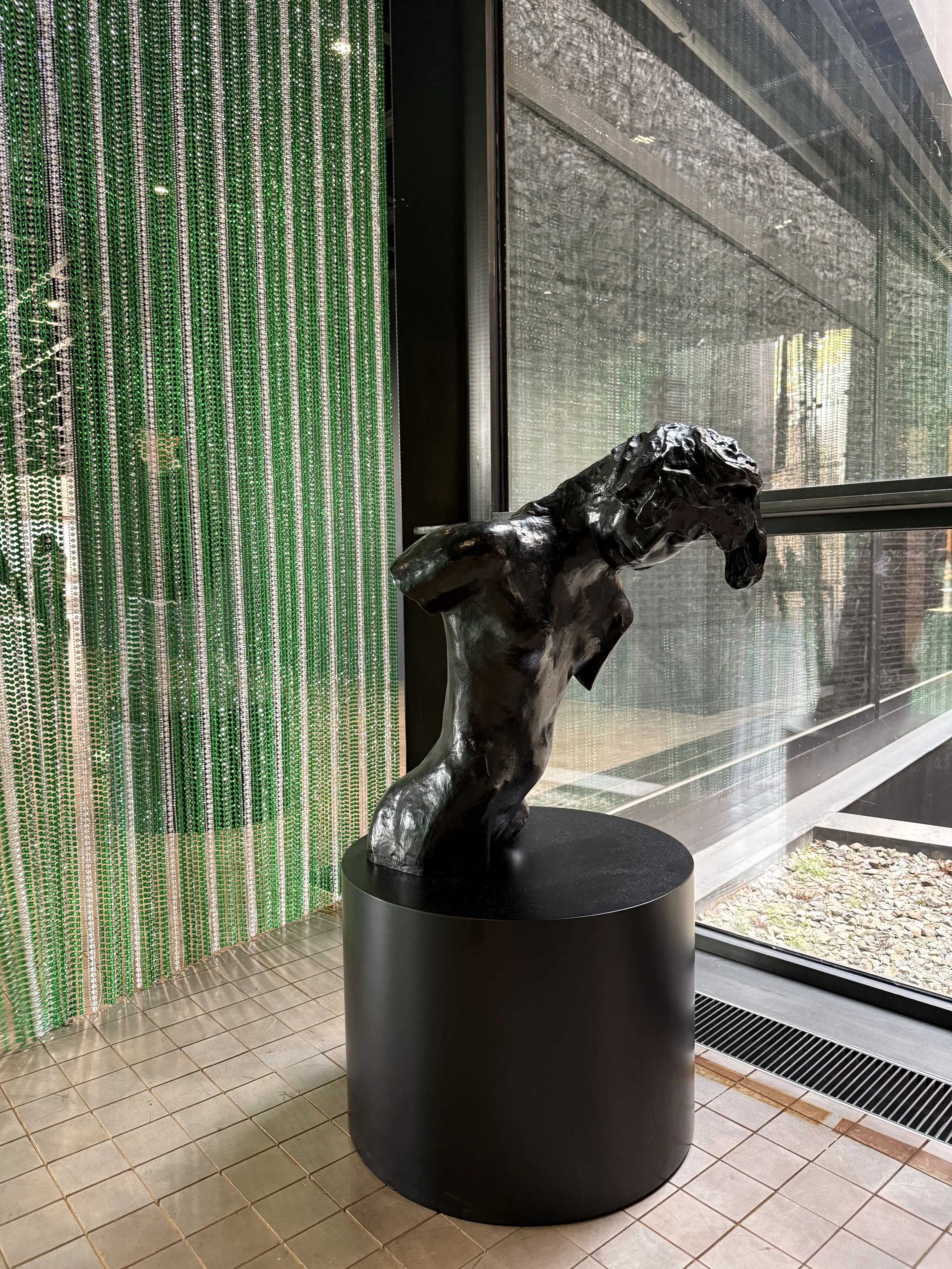
The Rodin sculptures selected by Sehgal are central to this proposition. They no longer remain merely as fixed museum objects. Placed within the same space as the interpreters’ bodies, they begin to hold a different kind of tension, as if they too might enter the choreography at any moment. Rodin’s sculptures have always held more than anatomy; they hold compressed states of feeling and thought. Here, that quality becomes newly legible. The exhibition invites Rodin to be read not only as sculptural history, but as embodied language. The simple distinction between still sculpture and moving performance also becomes less stable. What emerges instead is the sense that different temporalities of the body have been brought into proximity.
But the opening of that door does not guarantee the same depth of experience for everyone. The level and quality of that experience remain, in the end, contingent on the viewer. For some, the exhibition may indeed become a threshold into a genuinely altered mode of attention. For others, it may remain closer to the promise of such a threshold than its full realization. The possibility proposed by the exhibition and the experience actually obtained by the viewer are not necessarily the same thing.
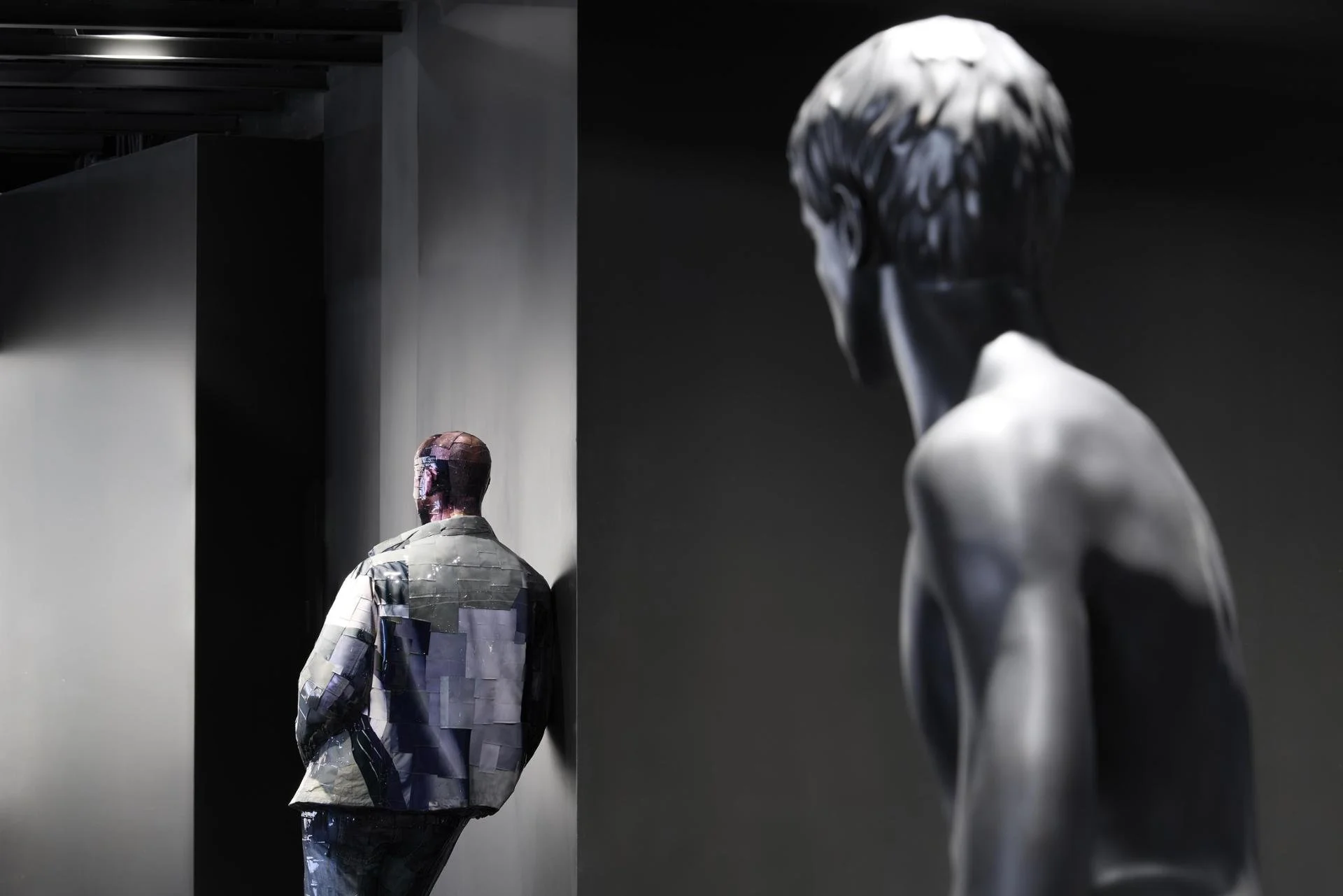
Exhibition view, Courtesy of Leeum Museum of Art
What remained most clearly for me was the distance between the seated audience and the moving interpreters. Even while sharing the same space, there seemed to be an invisible glass wall between them. The work appears to invite participation, yet never fully allows that threshold to be crossed. The exhibition presents itself as a departure from passive spectatorship, but the position ultimately assigned to the viewer still feels more cautious and more limited than that promise initially suggests. The work insists on experience through the body. But how far is that body actually permitted to intervene? And who determines the limits of that intervention?
At that point, one question remains: how different is this, really, from standing before a framed canvas in a more conventional exhibition setting? Does the replacement of image with body necessarily transform the structure of spectatorship itself? Sehgal’s work undoubtedly unsettles the established grammar of the museum. But the extent to which that disruption becomes fully operative is another matter. The exhibition seems to invite the viewer into the work, yet never entirely lets that entry be completed. It is precisely this unstable middle ground that makes the show compelling while also leaving it unresolved.


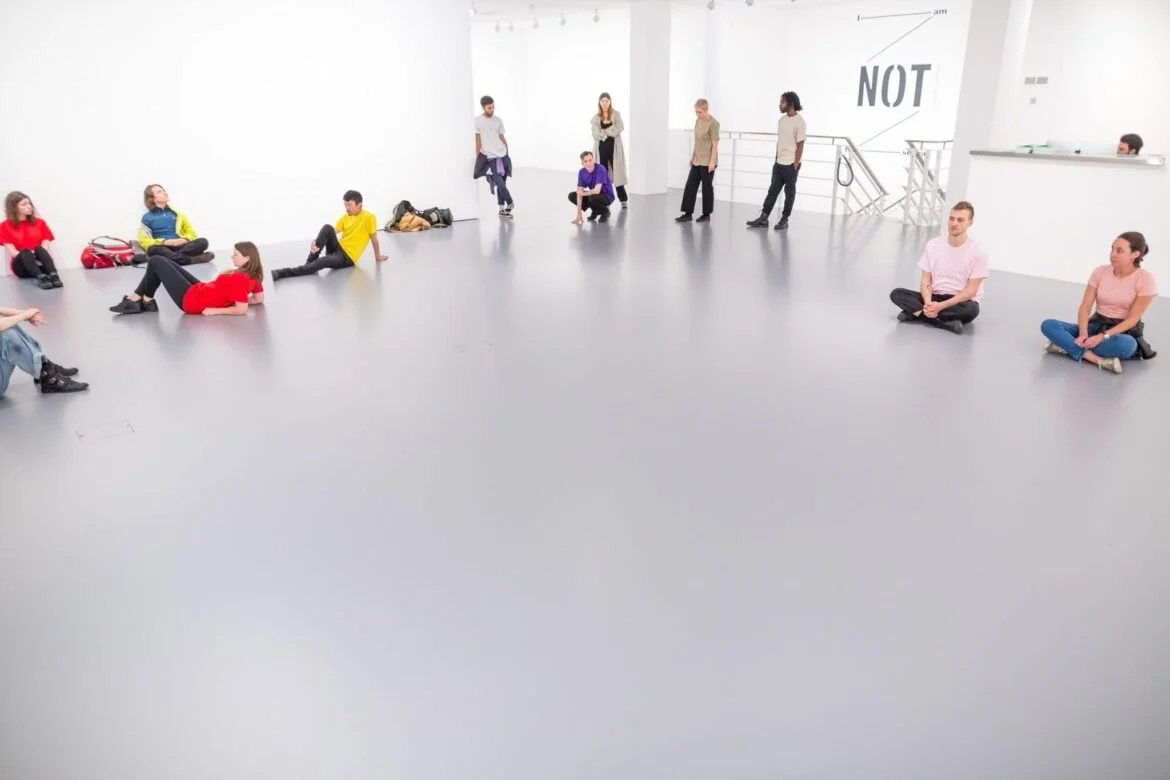
Left:
Still from Tino Sehgal’s The Kiss, Guggenheim Museum, 2010. Image via Flickr.
Below:
I am NOT Tino Sehgal, installation view, Nahmad Projects, London, 2016.
For that reason, what lingers is not a fully achieved sense of immersion. What lingers instead are the unresolved questions: how far immersion was actually possible, how participation truly operated, and whether the body can ever function as a genuine alternative to the image.
Sehgal’s exhibition undeniably opens a door. But how far one can move after crossing it still seems to depend on each viewer’s sensitivity, hesitation, and the invisible limits the exhibition itself continues to maintain.
< 국문 >
“내향인은 갈 수 없는 전시”, “사진을 찍을 수 없는 전시”라는 말만으로는 티노 세갈을 충분히 설명할 수 없다. 이미 여러 방식으로 콘텐츠화된 이 전시는 자극적인 문장으로 빠르게 요약되지만, 그런 표현들은 오히려 전시가 실제로 던지는 질문의 결을 놓치게 만든다. 티노 세갈의 작업은 그보다 훨씬 더 복합적이고, 단순한 후기나 인상으로는 쉽게 정리되지 않는 성질을 지닌다.
그의 전시는 지금 이 시대에 오히려 드문 감각을 요구한다. 기록보다 기억을, 이미지보다 몸을 앞세우는 경험 말이다. 사진과 영상이 감상의 일부를 넘어 거의 전제가 되어버린 시대에, 티노 세갈은 다른 종류의 주의를 요청한다. 남기는 것이 아니라 지나가게 두는 것, 저장하는 것이 아니라 통과하는 것, 그리고 화면보다 몸으로 먼저 감지하는 것. 그런 점에서 그의 전시는 동시대적이면서도, 동시에 동시대의 습관에 저항한다.입구에서부터 “This is so contemporary”를 외치는 해석자들의 환대와 빛을 반사하며 흔들리는 Felix Gonzalez-Torres의 초록 비즈 커튼은 관객 앞에 분명 하나의 문을 연다. 전통적인 감상과는 다른 차원의 경험이 가능하리라는 기대도 그 순간 함께 생긴다. 관객은 작품을 보기 위해 전시장에 들어선다기보다, 어떤 상황 안으로 들어가기를 요청받는 듯하다. 익숙한 미술관의 리듬은 이 지점에서 미묘하게 흔들리고, 전시는 단순한 감상의 공간이 아니라 관계가 발생할 가능성을 실험하는 장소처럼 보인다.작가가 직접 선별한 로댕의 조각 역시 이 전시에서 중요한 축을 이룬다. 그 조각들은 더 이상 박물관 안의 고정된 유물처럼 머물지 않는다. 해석자들의 몸과 한 공간 안에 놓이는 순간, 그들 또한 곧 움직임과 관계를 맺을 것 같은 긴장을 품는다. 그런 점에서 이 전시는 로댕을 조각사적 대상으로만이 아니라, 살아 있는 신체의 언어로 다시 읽게 만든다. 로댕의 조각이 붙잡아낸 것은 단지 인체의 형태가 아니라, 생각과 감정이 응축된 자세였다는 점도 새삼 선명해진다. 이 전시 안에서 조각은 멈춰 있는 것, 퍼포먼스는 움직이는 것이라는 단순한 구분 역시 조금씩 흔들린다.그러나 그 문이 열렸다고 해서 누구에게나 같은 밀도의 경험이 주어지는 것은 아니다. 그 경험의 수준과 질은 결국 각자의 몫으로 남는다. 어떤 관객에게는 실제로 새로운 감각의 전환점이 될 수 있겠지만, 또 다른 관객에게는 그 가능성의 문턱 앞에 머무르는 경험일 수도 있다. 전시가 제안하는 가능성과 관객이 실제로 획득하는 경험 사이에는 분명한 간극이 남아 있다.내게 가장 선명하게 남은 것은 벤치에 앉은 관객과 움직이는 해석자 사이의 거리다. 같은 공간을 공유하고 있음에도 그 사이에는 보이지 않는 유리벽 같은 것이 놓여 있는 듯했다. 참여를 요청하는 듯하지만, 끝내 완전히 건너가지는 못하는 감각. 전시는 분명 기존의 수동적 관람을 넘어서는 듯 보이지만, 정작 현장에서 관객에게 허용되는 위치는 생각보다 조심스럽고 제한적이다. 몸으로 경험하라고 말하는 전시. 하지만 그 몸은 어디까지 개입할 수 있고, 어디에서 다시 멈추게 되는가.그 순간 이런 질문이 남는다. 프레임 안의 캔버스를 바라보는 전통적인 관람 방식과 이 경험은 과연 얼마나 다른가. 회화 대신 몸이 놓였다는 사실만으로 관람의 구조가 근본적으로 달라졌다고 말할 수 있을까. 티노 세갈의 전시는 분명 미술관의 익숙한 문법을 흔든다. 그러나 그 흔들림이 실제로 어디까지 작동하는지는 또 다른 문제로 남는다. 관객을 작품 안으로 초대하는 듯하면서도, 끝내 완전히 진입시키지는 않는 그 미묘한 중간지대. 아마도 이 전시의 흥미는 바로 그 지점에서 발생하고, 동시에 그 지점에서 미해결의 상태로 남는다.흥미로운 전시였다. 하지만 내게 더 오래 남은 것은 몰입의 성취라기보다, 그 몰입이 실제로 어디까지 가능했는지에 대한 미해결의 질문이다. 티노 세갈의 전시는 분명 하나의 문을 연다. 다만 그 문을 통과한 이후 어디까지 갈 수 있는지는 여전히 관객 각자의 감각과 망설임, 그리고 전시가 유지하는 보이지 않는 경계 안에서 결정되는 듯하다.
Tino Sehgal
📍 Leeum Museum of Art, Seoul
🗓 3 March – 28 June 2026
